LT 23 (SS2-B2-05)
Dr Sophia Tan - Head, Centre for Teaching, Learning & Pedagogy
LT 23 (SS2-B2-05)
Dr Paul Kim - Professor, Director, Centre for Future Education, BIEG China
LT 23 (SS2-B2-05)
Abstract
The phrase “pedagogy drives technology” is widely acknowledged, yet its application in real-world classrooms remains limited. Despite the rapid pace of technological innovation transforming industries and communication, traditional teaching methods and assessment strategies continue to dominate education systems globally.
This keynote addresses the critical need for pedagogy to lead technological integration in education. Using the example of South Korea’s AIDT (Artificial Intelligence Integrated Digital Textbook) initiative—a project at the center of debate—the session will explore the tension between technology-driven solutions and pedagogy-first approaches. While the Korean government positions AIDT as a response to the growing influence of AI, educators argue that it exemplifies the pitfalls of prioritizing technology over pedagogy.
LT 23 (SS2-B2-05) Foyer
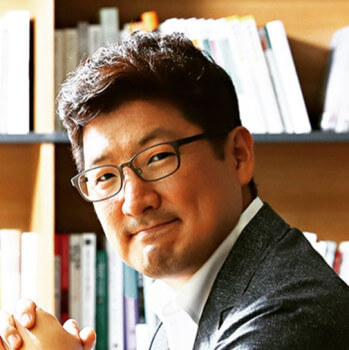
Dr Ho Shen Yong - Executive Director, Institute of Pedagogical Innovation, Research and Excellence
LT 23 (SS2-B2-05)
Abstract
The speaker will share his attempts to incorporate elements of “play” into two of the courses he taught—the Making & Tinkering course and the large-class Freshmen Engineering Physics course. In the Making & Tinkering course, which started in 2014, students have three months to freely prototype anything they wish, as long as it is not illegal or too dangerous. Typically, students will discuss their project design with me and their learning pathways are shaped as they build their prototypes. The speaker will discuss various missteps, challenges, and successes encountered over the course's ten-year evolution. In addition, he will share his thoughts, plans and experiences of integrating play and fun into a large lecture theatre setting, enabling students to learn beyond what is accessible through AI chatbots and YouTube videos.
Moderator: Dr Sophia Tan - Head, Centre for Teaching, Learning & Pedagogy
LT 23 (SS2-B2-05)

Dr Sophia Tan - Head, Centre for Teaching, Learning & Pedagogy
LT 23 (SS2-B2-05)
LT 23 (SS2-B2-05) Foyer
*For the workshops, please register at the counter in the morning before the conference begins.
Associate Professor Rikke Toft Nørgård - Danish School of Education, Aarhus University
Venue: The Hive Level 2, TR+49
Abstract
This workshop introduces a framework with design methods for imagining and manifesting alternative and preferable futures in the form of ‘poetic visions’ and ‘utopian speculations.’ The workshop takes as it outset earlier results of these practices within higher education institutions, disciplinary domains, and future-oriented academic workshops. Speculative design and utopia as method is introduced as a way of working with the deliberate materialisation of utopian imagination that can help us voice and build new visions for higher education. Designing for the arrival of preferable futures in higher education might seem hopepunk, starry-eyed, and utopian but it operates firmly within the possibility space of potential futures. Using utopian and speculative design methods, we will together experiment with how we can materialise bold and aspirational futures through expressions of poetic action- and future-oriented imagination.